
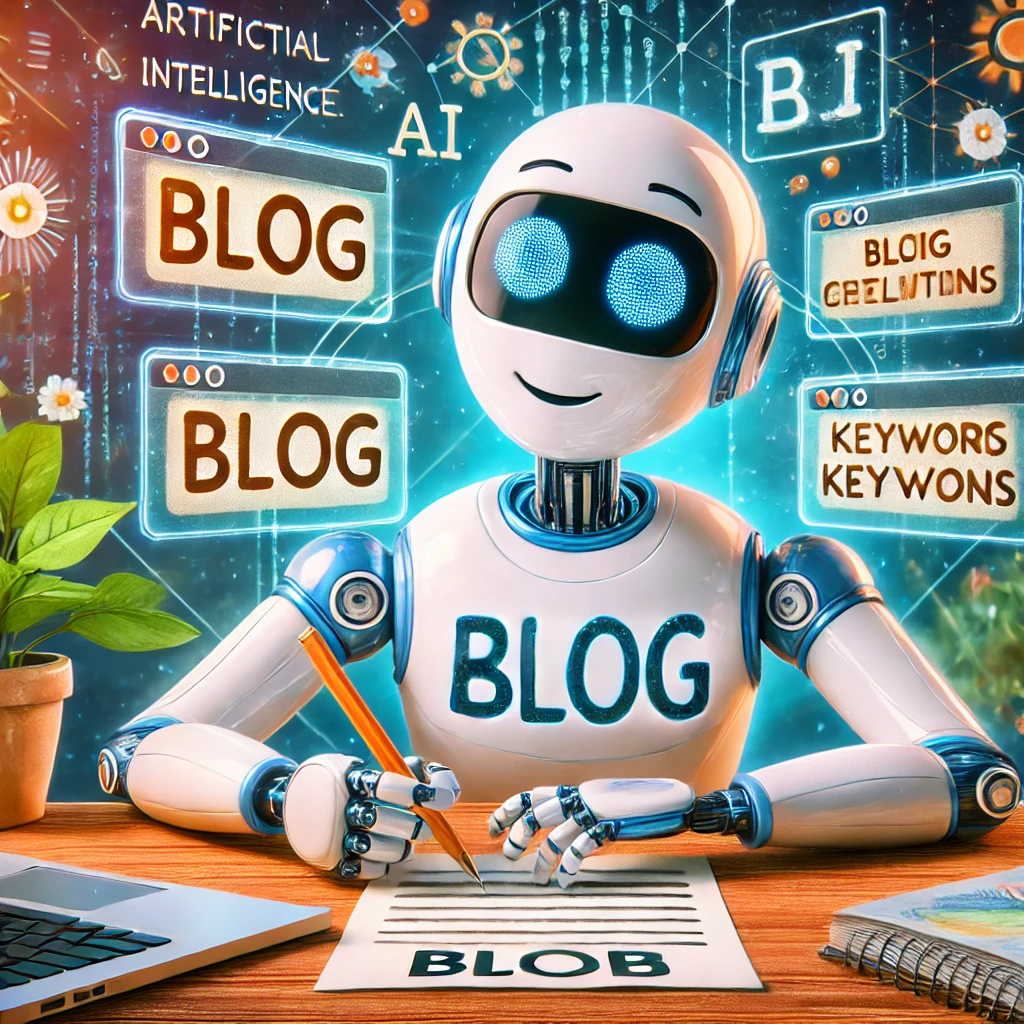
AI Driven Blog Version 1.0

Before diving into the technical bits, we need to talk about something crucial—ethics. Specifically, is it morally acceptable to use artificial intelligence to craft a blog meant for human eyes? Spoiler alert: it's complicated, but let’s untangle it together.
At Red Oak Labs, we’re all about innovation, but we believe in doing it transparently. That's why any blog post created by our trusty AI is credited to a new author—AI Author. Simple, right? This way, you know exactly who's behind the words: a bunch of algorithms and training data, not a human. It’s all about giving you the power to decide whether to take the info as gospel or not. If you're already using AI tools like ChatGPT to get quick answers or brainstorm ideas, then reading a blog post written by AI shouldn’t be much of a leap. To reject one but accept the other? Well, that’s like saying you love peanut butter but hate peanuts—kind of odd logic.
Let's face it: in today’s tech-savvy world, the majority of blogs are more about courting search engines than entertaining human readers. It’s all part of that sweet, sweet marketing game. So whether the words come from a human or a highly intelligent code, does it even matter if the blog’s main purpose is to appeal to SEO rather than human curiosity? The goalposts have shifted—blogs are now less about storytelling and more about boosting your search engine karma.
Now that we've aired out the ethical laundry, let’s talk about the fun part: the technology. Here's our step-by-step guide to crafting blog posts with a little AI flair.
Steps for Creating Blog Entries with AI
-
Get Those Titles Rollin’
First up, we use ChatGPT to whip up a batch of blog titles on a specific topic—aiming for 30 to cover a full month. Then, we drop those into a Google Sheet, expanding the table to include keywords, excerpts, slugs, dates, and where we’ll stash those fancy images. It’s basically spreadsheet magic. -
Generate Some Eye Candy
Next, we use ChatGPT's image-generating sibling (a premium feature, naturally) to create images for each blog post. These images might not win any art awards, but they're solid enough for the job and copyright-free, which is a big win. Once the images are good to go, we pop them into our website’s image repository and note their paths in the Google Sheet. -
Putting It All Together with Automation
Now, we head over to Make.com (because automation is our love language) to create a content worksheet for each title, which is then saved to the website’s blog database. For now, this process still involves some manual work—like pressing a button each day to get things rolling. The entries don’t go live right away, though; they're set as "unpublished" until given the human nod. -
Review, Tweak, Publish
Finally, we take a moment to actually read each new AI-crafted blog. If it needs some tweaking to sound a bit less like a robot and a bit more like, well, a person, we make those edits. Once we’re happy, we change the state to "published," and voilà—it's live on the website. On the Red Oak Labs site, our HTML and XML sitemaps are dynamic, so they automatically pick up each new blog post. No fuss, no muss.
This version keeps your points intact while adding a bit more personality and playfulness. It keeps readers engaged while also making the AI aspect sound straightforward and even fun. Let me know if you’d like any tweaks or if there's a particular vibe you're aiming for!